Critics Embrace Zach Cregger’s ‘Resident Evil’ Reboot as Jet‑Fueled, Darkly Humorous Horror
Zach Cregger’s reboot of Resident Evil — starring Austin Abrams and billed as a fresh start for the long‑running Capcom adaptation — has opened to strong reviews, sporting high scores on Rotten Tomatoes.
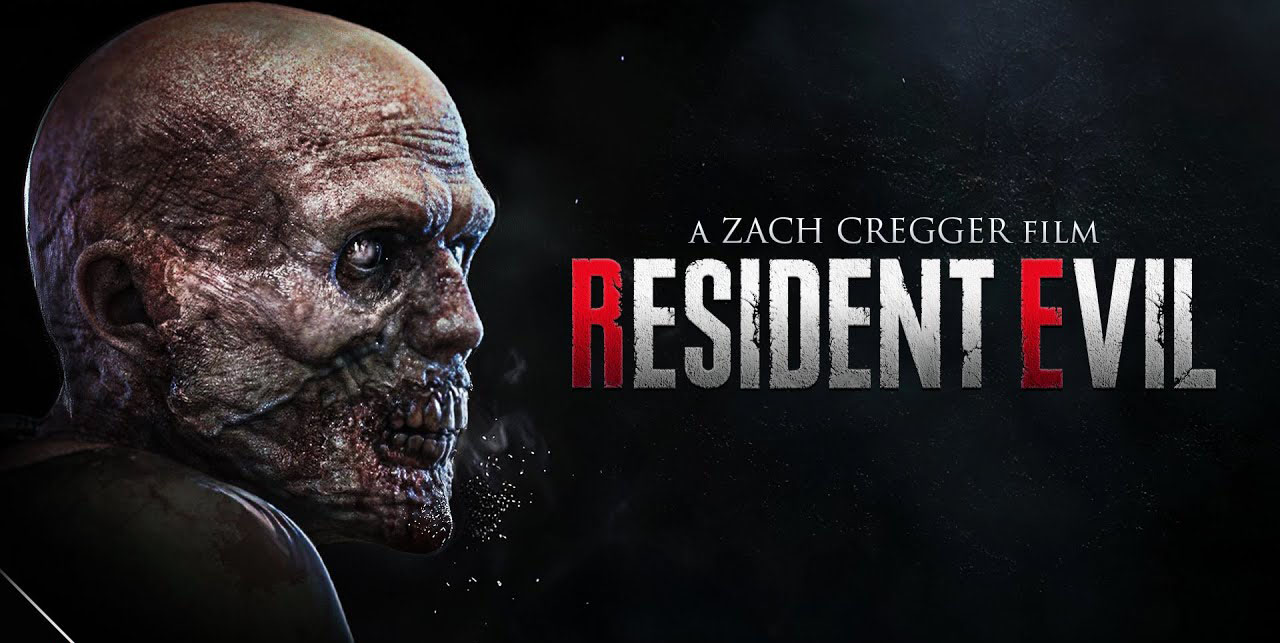
Zach Cregger’s reimagining of Resident Evil has arrived in cinemas and critics are broadly positive. The Sony Pictures reboot, led by Austin Abrams as medical courier Bryan, has been praised for its pace, imaginative set pieces and dark comedy, even as the director faces debate over abandoning legacy game characters. As of publication, the film holds a 96 per cent critics score on Rotten Tomatoes and a 91 per cent audience score. The movie — which Cregger co‑wrote and directed and which reunites him with Abrams after Weapons — is being hailed by many reviewers as a fresh, game‑inspired horror outing.
A reboot set during one night of chaos in Raccoon City
Resident Evil is a reboot of the long‑running Capcom video game franchise and the eighth live‑action instalment in the series, but it's presented as a fresh start. Austin Abrams plays Bryan, an outmatched medical courier who becomes trapped in Raccoon City during a single night of a monster outbreak and must try to survive. The film reunites Abrams with director and co‑writer Zach Cregger (their previous collaboration was Weapons). The supporting cast named in coverage includes Zach Cherry, Kali Reis and Paul Walter Hauser. The Hollywood Reporter’s roundup frames the release as Cregger’s distinct re‑imagining rather than a line‑by‑line adaptation of the games.
Praise for pacing, horror set pieces and Austin Abrams’s performance
Reviews in The Hollywood Reporter highlight strong praise for the movie’s momentum, inventive creature work, and its lead. THR critic Frank Scheck credited Abrams’ appeal as crucial to the film’s success, noting the picture is “filled with baroque gore and wildly imaginative set pieces delivered at a feverish pace.” IGN’s Tom Jorgensen recommended viewers set aside preconceptions and enjoy Cregger’s adaptation, saying it captures the spirit of the games with tension, laughs and a strong central turn from Abrams. The New York Times’ Brandon Yu praised the film’s tone and how it uses comedy alongside scares, describing the picture as, in effect, a “one‑man show” anchored by Abrams.
Cregger defends removing legacy characters amid fan debate
Some critics praise the experience while pointing to character and tonal questions
Not all responses were unreserved. The Guardian’s Jesse Hassenger suggested that while Cregger successfully brings a video game sensibility to the screen, the film stops short of completing a more substantial character arc for Bryan. YouTube critic Jeremy Jahns likewise found the humour generally effective but felt it could have been dialled back slightly in the final act to smooth the film’s conclusion; despite that reservation, he said he “actually really enjoyed it.” These critiques sit alongside several enthusiastic reviews that celebrate the movie’s ambition and the choice to prioritise atmosphere and gameplay‑inspired beats over strict fidelity to the games’ plots.